
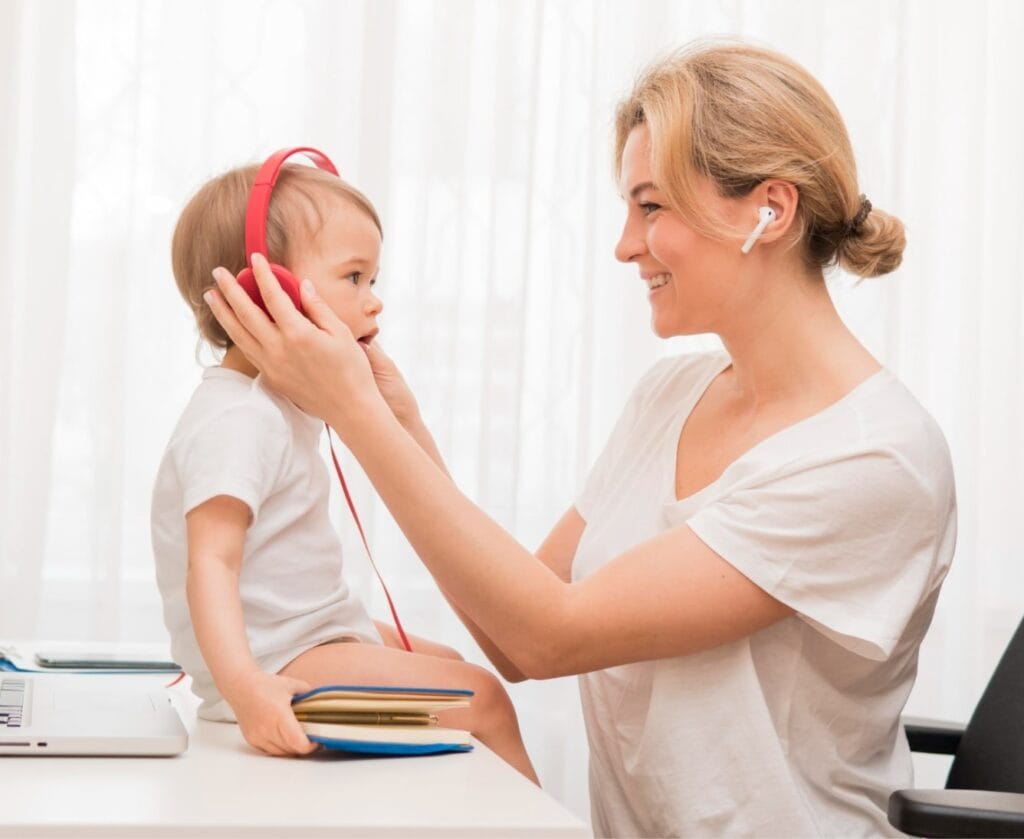
Hearing loss in children is more common than many parents expect, and it is often treatable or manageable when found early. Causes range from temporary fluid behind the eardrum to permanent changes in the inner ear, and the right support helps children keep up with speech, language, and learning.
This guide explains five common causes of hearing loss in children, the main treatment options, and how to support your child at home and at school. If you are concerned about your child’s hearing, our team offers pediatric hearing services in Newmarket, led by Fariba Denak, Doctor of Audiology.
Clinically reviewed by Fariba Denak, Doctor of Audiology (CASLPO-regulated) · Newmarket Hearing ClinicHearing loss in children can be temporary (for example from fluid in the ears or earwax) or permanent (from the inner ear or hearing nerve). A hearing test identifies the type, and treatment ranges from medical care to hearing aids and school support. The earlier it is found, the better.
Hearing Loss in Children: 5 Common Causes
Fluid and ear infections
Fluid behind the eardrum (often after colds or ear infections) is very common in young children and can cause temporary hearing loss.
Earwax blockage
Wax can block the ear canal and muffle sound. It is easy to treat, and ear wax removal is available for children.
Genetics and family history
Some children are born with hearing loss or develop it early because of inherited factors.
Birth and early health factors
Premature birth, certain infections, and some medications can affect hearing.
Noise and injury
Loud noise exposure and head injuries can damage hearing.
Types of Hearing Loss in Children
| Type | Where the problem is | Is it treatable? |
|---|---|---|
| Conductive | Outer or middle ear (wax, fluid, infection) | Often temporary or medically treatable |
| Sensorineural | Inner ear or hearing nerve | Usually permanent and managed with hearing technology |
| Mixed | Both areas | A combination of medical care and technology |
Children’s Hearing Loss Treatment: What Are the Options?
The right treatment depends on the cause and degree of hearing loss. A hearing test is always the first step, and our guide to the pediatric hearing test explains how children are tested.
- Medical care: Ear infections and fluid are managed by a physician. Persistent fluid may be referred to an ear, nose, and throat (ENT) specialist.
- Ear wax removal: A blocked canal can be cleared safely in the clinic.
- Hearing aids for children: Hearing aids are fitted to your child’s hearing test and adjusted as they grow. Our guide on what a hearing aid is explains how they work.
- Cochlear implant assessment: For children with severe to profound hearing loss who do not benefit enough from hearing aids, we can refer you for evaluation. Surgery is performed by a medical team, not at our clinic.
- Assistive listening devices: Systems that send a teacher’s voice directly to your child can help in noisy classrooms. See our guide to assistive listening devices.
- Speech and language support: A speech-language pathologist can help children whose speech or language development has been affected.
Why Early Support Matters
Hearing is how children learn language, so even a mild or temporary loss can affect speech, reading, and attention at school. In Ontario, babies are offered hearing screening through the Infant Hearing Program, and ongoing monitoring is important because hearing can change after the newborn period. If you are unsure what to watch for, read our guide on the signs of hearing loss in children.
How to Support a Child With Hearing Loss
- Face your child and get their attention before speaking.
- Reduce background noise at home during conversations and homework.
- Talk to your child’s teacher and ask for seating near the front of the class.
- Keep hearing aids clean, dry, and worn consistently, and attend follow-up visits.
- Re-check hearing regularly, especially after ear infections.
Hearing Loss in Children: Frequently Asked Questions
What causes hearing loss in children?
Common causes include fluid and ear infections, earwax blockage, genetic factors, birth and early health factors, and noise or injury.
Is hearing loss in children permanent?
Not always. Conductive hearing loss from fluid or wax is often temporary or treatable. Sensorineural hearing loss is usually permanent but can be managed with hearing technology and support.
Can children wear hearing aids?
Yes. Hearing aids for children are fitted to their hearing test and adjusted as they grow. Your audiologist will explain the options.
How do I know if my child needs a hearing test?
If you notice delayed speech, a lack of response to sound, trouble following instructions, or repeated ear infections, book a hearing test. See the signs of hearing loss in children.
Where can I find a pediatric audiologist in Newmarket?
Newmarket Hearing Clinic offers pediatric hearing services with Fariba Denak, Doctor of Audiology. Book an appointment. Hearing screenings and consultations are free.
Concerned about your child’s hearing?
Book a visit with Fariba Denak, Doctor of Audiology, and get clear answers. No pressure, no obligations.
Book Your Child’s Hearing TestKeep reading